


• [email protected]
4Blog
Location: Home ->  Blog

Blog

Common problems with TV antennas: solutions for weak or no signal
2026
-
05
-
08
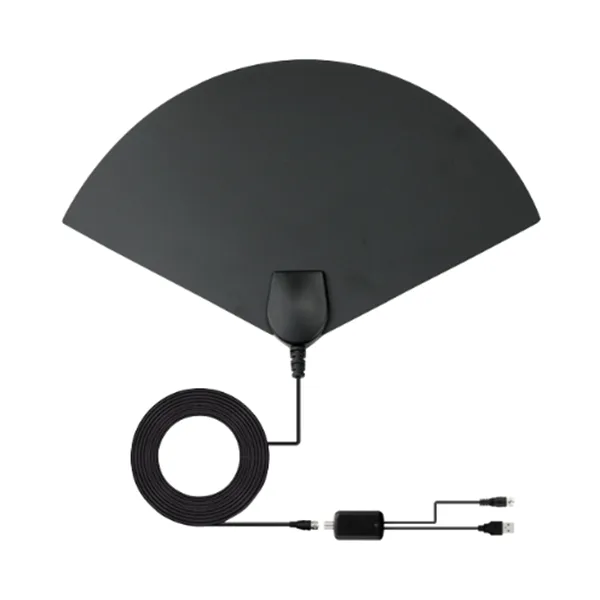
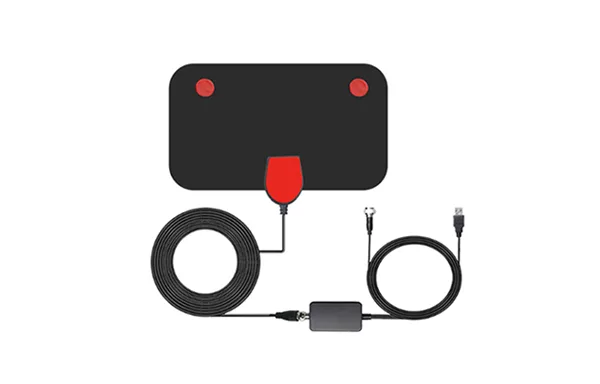
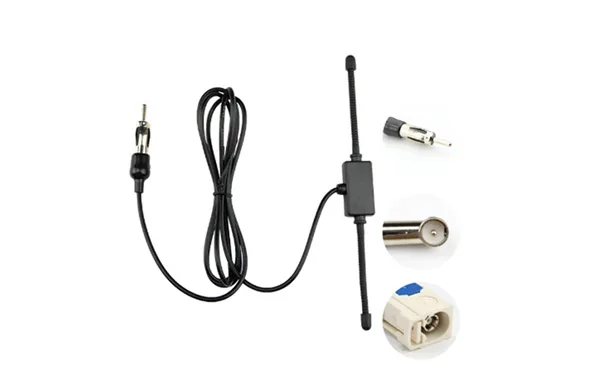
Common problems with TV antennas: Solutions for weak or no signal. Many households often encounter the problem of weak or completely no signal when using TV antennas, which leads to the inability to watch TV programs normally. This problem is usually caused by the following reasons and can be solved through targeted adjustments: 1. The position and direction of the antenna affect the signal receiving antenna placement, which is a key factor affecting signal strength. If the antenna is close to metal objects (such as refrigerators, radiators), large appliances (microwave ovens, air conditioners), or obstructed by high-rise buildings, the signal will be severely interfered with. Suggest moving the antenna to an open location such as a window, balcony, or roof, and using a compass to adjust the sky
Common problems with TV antennas - Causes and repairs of snowflakes or ghosting on the screen
2026
-
05
-
08
TV antenna issue: The causes and repair of snowflakes, stripes, or ghosting in TV images are common problems for antenna users. These issues are usually related to signal interference, device aging, or environmental factors, and can be investigated and repaired through the following methods: 1. Electromagnetic interference causing signal distortion. Household appliances (such as wireless routers, microwave ovens, fluorescent lamps) or electronic devices (such as mobile phones, Bluetooth speakers) may generate electromagnetic interference, affecting antenna signals. Try turning off nearby appliances and observe if the screen improves. If the problem disappears, the antenna should be moved away from the interference source or a coaxial cable with better shielding performance should be used. In addition, avoid
Technological iteration drives upgrading, and rod antennas move towards a new cycle of high frequency and integration
2026
-
05
-
08
Technological iteration drives upgrading, and rod antennas are moving towards a new cycle of high frequency and integration. Driven by the rapid iteration of global communication technology and the continuous upgrading of downstream application demands, the rod antenna industry is entering a critical development period of technological leap and product upgrade. As a core foundational component in fields such as communication, the Internet of Things, and automotive electronics, rod antennas have long held an important market position due to their advantages of simple structure, convenient installation, and controllable cost. Currently, the industry is accelerating breakthroughs around the three core directions of high-frequency, miniaturization, and integration, driving the industry into a new cycle of high-quality development. Comprehensive deployment of 5G network and promotion of 6G technology pre research
Lightweight and Efficient Communication Applications of Spring Antennas in IoT Devices
2026
-
05
-
08
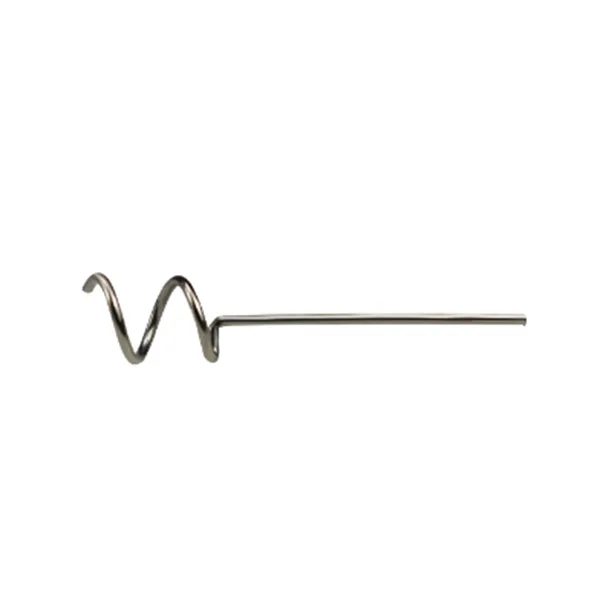
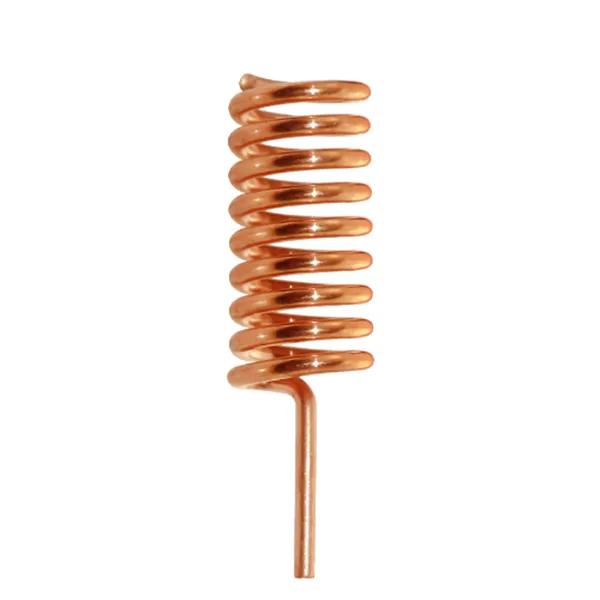
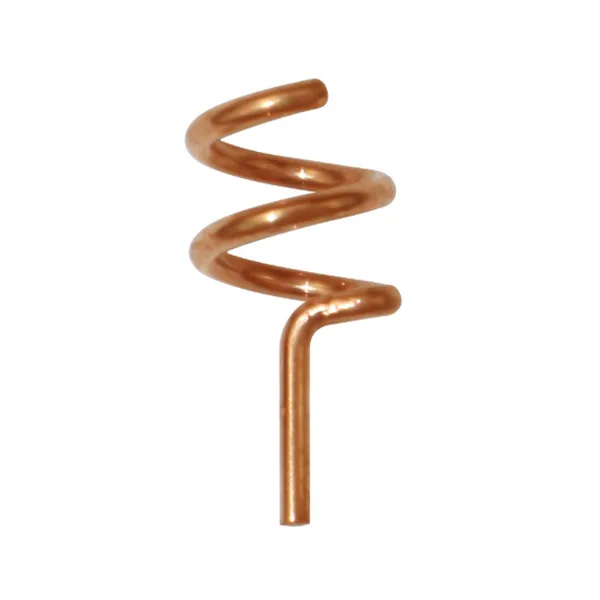
The lightweight and efficient communication application of spring antennas in IoT devices. With the development of IoT devices towards miniaturization and low power consumption, traditional rigid antennas are gradually unable to meet the demand due to their large size and high cost. Spring antennas, with their advantages of flexible structure, low cost, and easy integration, are becoming the core communication components in fields such as smart wearables, environmental monitoring, and industrial sensors, driving the evolution of IoT devices towards greater portability and efficiency. The 'invisible communication messenger' of smart wearable devices is invaluable in wearable devices such as smartwatches and health monitoring wristbands. The spring antenna is designed with spiral winding,
Common problems with suction cup antenna installation: how to avoid signal attenuation and detachment risks
2026
-
05
-
08
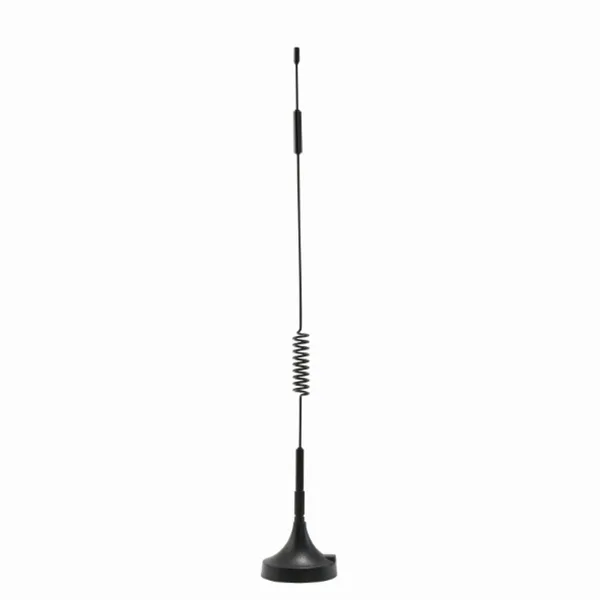
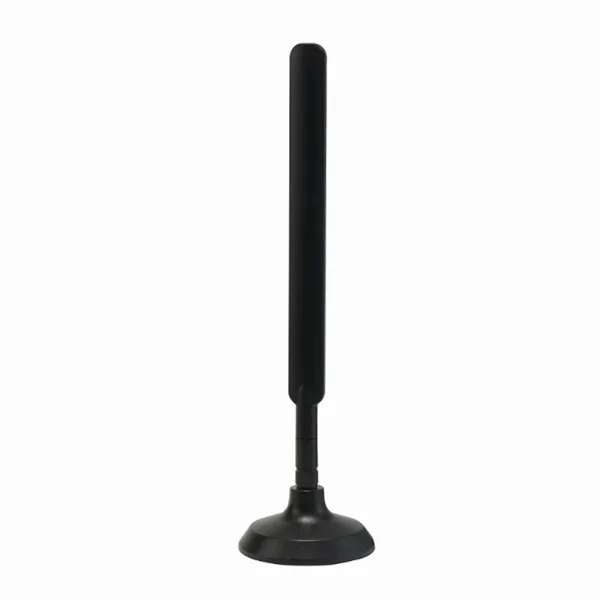
Analysis of common problems in the installation of suction cup antennas: How to avoid the risk of signal attenuation and detachment? Suction cup antennas are widely used in vehicle communication, outdoor monitoring, and temporary communication scenarios due to their convenient installation and strong mobility. However, users often encounter problems such as unstable signals and antenna detachment in practical use. This article analyzes the common problems and solutions of suction cup antennas from three aspects: installation environment, operation specifications, and maintenance points. Problem 1: Metal surface interference causes signal attenuation. The signal transmission of suction cup antennas relies on the tight contact between the bottom metal disk and the mounting surface. If the installation surface is made of metal material (such as the roof or equipment casing), it may be affected by electromagnetic shielding
Trend in the Automotive Antenna Industry: Vehicle to Road Collaboration and V2X Technology Reshaping the Market Landscape
2026
-
05
-
08
Trend in the Automotive Antenna Industry: Vehicle to Road Collaboration and V2X Technology Reshape the Market Landscape. As V2I and V2X technologies move from concept to implementation, automotive antennas, as the core component connecting vehicles and infrastructure, are evolving from a single communication function to supporting multi-mode interaction and high reliability transmission, becoming a key infrastructure for intelligent transportation systems. The demand for V2X dedicated antennas has exploded. V2X technology requires vehicles to achieve low latency and high reliability communication with road facilities (such as traffic lights and roadside units), which traditional vehicle mounted antennas cannot meet. The industry is developing dedicated V2X antennas to optimize radiation
TV antenna problem: Solution for missing channels or search failures
2026
-
05
-
08
TV antenna problem: Solution for missing channels or search failures
Breakthrough in biocompatibility and miniaturization of spring antennas in the field of medical electronics
2026
-
05
-
08
The biocompatibility and miniaturization breakthroughs of spring antennas in the field of medical electronics have put forward strict requirements for the safety, size, and signal penetration of antennas in medical electronic devices. Spring antennas are gradually being applied to implantable medical devices, wearable health monitoring devices, and remote medical terminals through material upgrades (such as biocompatible coatings), structural miniaturization (such as nanohelices), and frequency band optimization, providing technical support for precision medicine and personalized health management. Implantable devices such as pacemakers and nerve stimulators, known as "secure communication bridges," need to communicate with external controllers through antennas while avoiding stimulation of human tissues. play
Suction cup antenna maintenance and troubleshooting: key steps to extend service life
2026
-
05
-
08
Maintenance and troubleshooting of suction cup antenna: The key step to extending its service life. Although suction cup antenna has a simple structure, it is prone to malfunction due to dust accumulation, component aging, or improper operation after long-term use. This article provides users with a systematic maintenance guide from three aspects: daily maintenance, fault symptoms, and solutions. Daily maintenance: Cleaning and inspection are the key points of maintenance for the suction surface and cable joints of the core suction cup antenna. It is recommended to clean the dust on the adsorption surface with a soft bristled brush every month and avoid using chemical cleaning agents (which may corrode the rubber); Check the cable sheath for cracks and oxidation at the joints every quarter. For example, a user did not regularly clean the adsorption surface, resulting in
Car antenna industry trend: Material innovation and lightweight design become mainstream
2026
-
05
-
08
Trend in the automotive antenna industry: Material innovation and lightweight design have become mainstream. Against the backdrop of rapid development of new energy vehicles and intelligent vehicles, the automotive antenna industry is balancing performance improvement and lightweight requirements through material innovation and structural optimization to adapt to the overall trend of electrification and intelligent transformation in the automotive industry. High performance composite materials replace traditional metals. Traditional car antennas often use metal materials such as copper and aluminum, which have excellent conductivity but are heavy and prone to corrosion. In recent years, the industry has widely introduced composite materials such as carbon fiber and glass fiber reinforced plastic (GFRP), which achieve "lightweight+high performance" by coating metal on the surface of lightweight substrates
Car antenna industry trend: 5G and intelligent networking drive technological innovation
2026
-
05
-
08
Trend in the car antenna industry: 5G and intelligent networking drive technological innovation. With the accelerated popularization of 5G networks and the increasing penetration rate of intelligent connected vehicles, the car antenna industry is undergoing a transformation from a single communication function to a multi band, integrated, and intelligent direction. This change not only reshapes antenna design standards, but also gives rise to new market demands and competitive patterns. The demand for 5G millimeter wave antennas has surged, and the high-speed and low latency characteristics of 5G networks have raised higher requirements for vehicle mounted antennas. The millimeter wave frequency band (24GHz-52GHz) has become the core carrier of V2X communication due to its large bandwidth advantage. However, millimeter wave signals penetrate
Anti vibration and multi band integrated application of spring antenna in automotive electronics field
2026
-
05
-
08
The anti vibration and multi band integrated application of spring antennas in the field of automotive electronics requires extremely high reliability and environmental adaptability of antennas in automotive electronic systems. Spring antennas, with their elastic structure, multi band compatibility, and low-cost characteristics, are gradually replacing traditional rod or patch antennas and are widely used in fields such as car keys, tire pressure monitoring systems (TPMS), and in car entertainment systems, becoming an important support for the intelligent transformation of automobiles. The "ultra long distance communication engine" of the car key. Modern car keys need to support keyless entry, remote start and other functions, and the communication distance needs to cover more than 50 meters. Spring antenna optimizes spiral parameters (such as coils)
Frequency band matching and environmental adaptability of suction cup antenna: common misconceptions in high-frequency use
2026
-
05
-
08
Frequency band matching and environmental adaptability of suction cup antennas: common misconceptions in high-frequency use. Suction cup antennas support multi band communication, but users often experience a decrease in communication quality due to frequency band misselection or insufficient environmental adaptability. This article combines high-frequency usage scenarios (such as car 4G/5G, outdoor Wi Fi) to analyze three common issues: frequency band matching, gain selection, and environmental interference. Misconception 1: Communication failure caused by mismatched frequency bands. Suction cup antennas need to be completely compatible with the frequency bands supported by the device in order to function properly. For example, a user used a suction cup antenna that only supports 2.4GHz on a 5GHz Wi Fi router, but was unable to search for a signal
Industrial chain synergy and accelerated localization, reshaping the competitive landscape of the rod antenna industry
2026
-
05
-
08
The synergy of the industrial chain and the acceleration of localization have reshaped the competitive landscape of the rod antenna industry. Under the multiple influences of policy support, increased demand for independent and controllable industrial chains, and global industrial pattern adjustments, the rod antenna industry is accelerating the coordinated development of the industrial chain and domestic substitution. The industrial ecology continues to improve, and the competitive landscape is gradually optimizing. Three major industrial clusters, namely the Yangtze River Delta, Pearl River Delta, and Beijing Tianjin Hebei, have formed domestically, occupying over 60% of the domestic market share with a well-established electronic manufacturing foundation. The localization process of upstream core materials has significantly accelerated, with technological breakthroughs achieved in high-end magnetic materials and mid to low end RF chips, gradually replacing imported products and effectively reducing costs
Downstream demand explosion and expansion, rod antenna industry welcomes diversified growth opportunities
2026
-
05
-
08
The explosive expansion of downstream demand has brought diversified growth opportunities to the rod antenna industry. The rapid development of the global digital economy and the continuous diversification of downstream application scenarios have injected strong growth momentum into the rod antenna industry, presenting a diversified growth pattern in the market. The continuous upgrading of the communication industry is the core driving force. The construction of the global 5G network has entered the stage of deep coverage. The construction of indoor distribution systems and edge computing nodes has advanced synchronously, driving the demand for high-frequency, high gain, and miniaturized rod antennas to continue to rise. The pre research of the 6G technology points out the development direction of terahertz communication and space space integrated network for the industry. The automotive electronics field has become a new growth engine, intelligent